Spray Foam Attic Insulation in La Habra, CA
Energy-Saving Spray Foam Attic Insulation for La Habra, CA Homes — Licensed & Insured
Get expert spray foam attic insulation in La Habra, CA. Clean Zone serves all La Habra neighborhoods. Call (562) 526-0372 for a free estimate today.
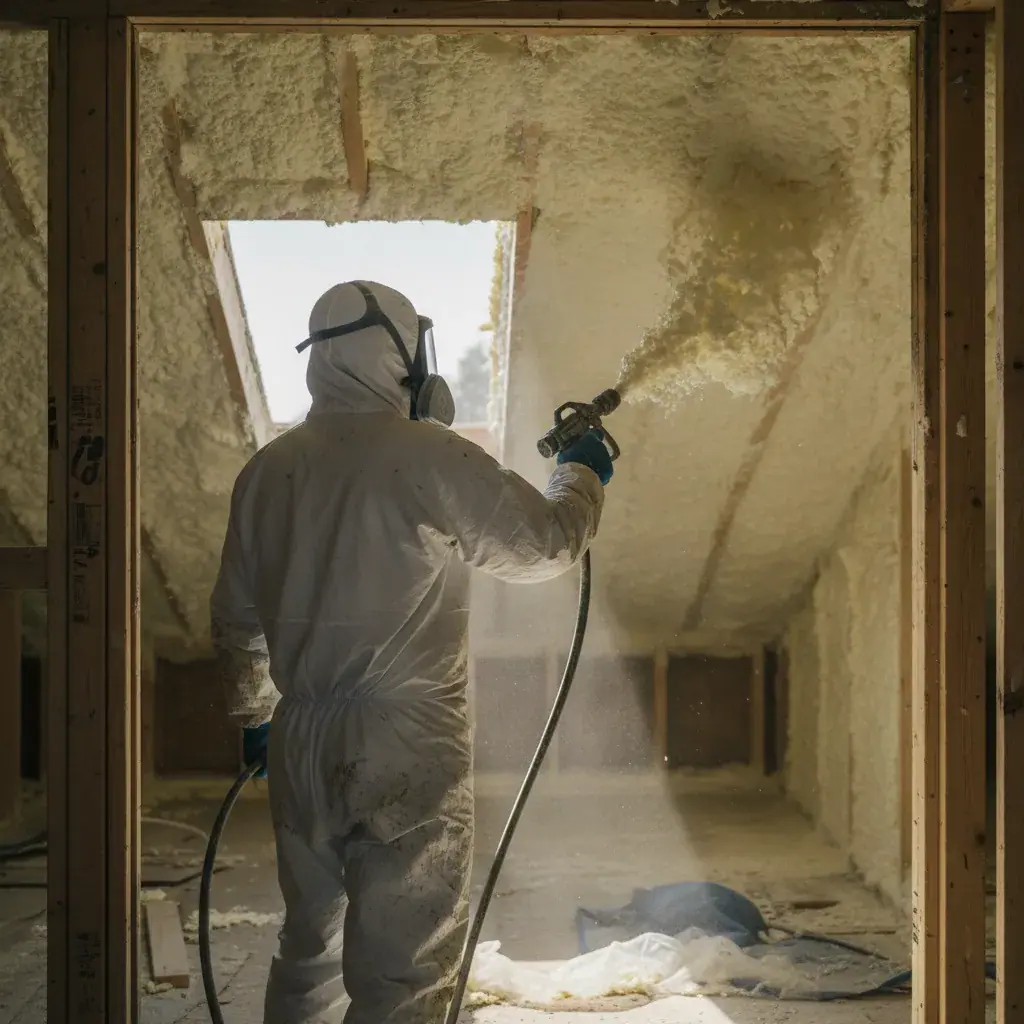
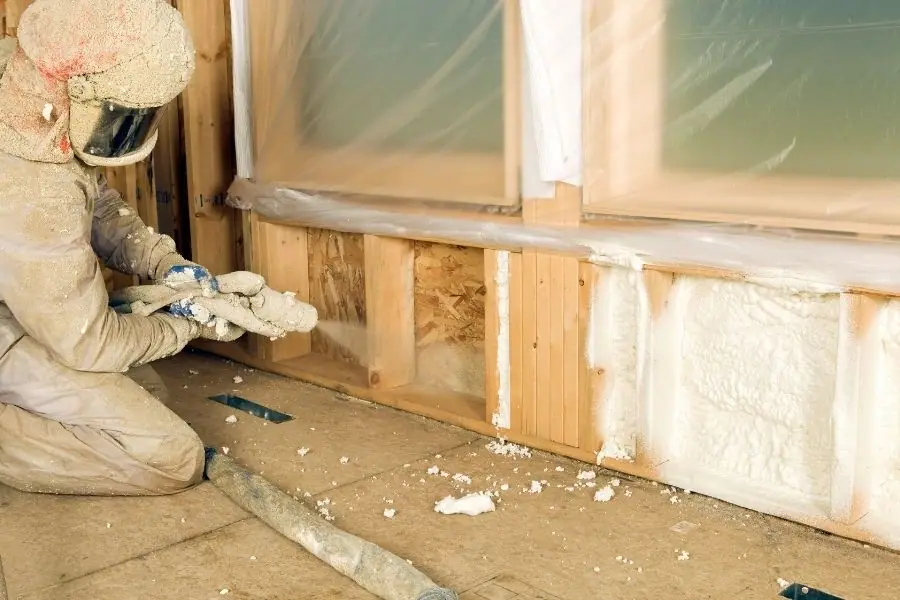
Spray foam attic insulation is a high-performance insulation solution that creates an airtight seal in your attic space by expanding polyurethane foam directly onto surfaces, filling gaps, cracks, and cavities that traditional insulation simply cannot reach. At Clean Zone Attic Insulation, we specialize in delivering precision spray foam installations tailored specifically for homes and commercial properties throughout La Habra, California.
La Habra’s unique position along the eastern edge of Los Angeles County, bordered by the Puente Hills and subject to warm inland temperatures and seasonal Santa Ana winds, creates specific thermal challenges for attic spaces. Homes in this area routinely see attic temperatures exceeding 140°F during summer months, making effective insulation not just a comfort upgrade but a critical energy-efficiency investment.
Read moreShow less
Our team understands the local building stock, climate patterns, and permit requirements specific to La Habra. Whether you own a mid-century ranch home near Lambert Road or a newer build in the hills, we bring the expertise to protect your home year-round. Call us today at (562) 526-0372.
Understanding Spray Foam Attic Insulation
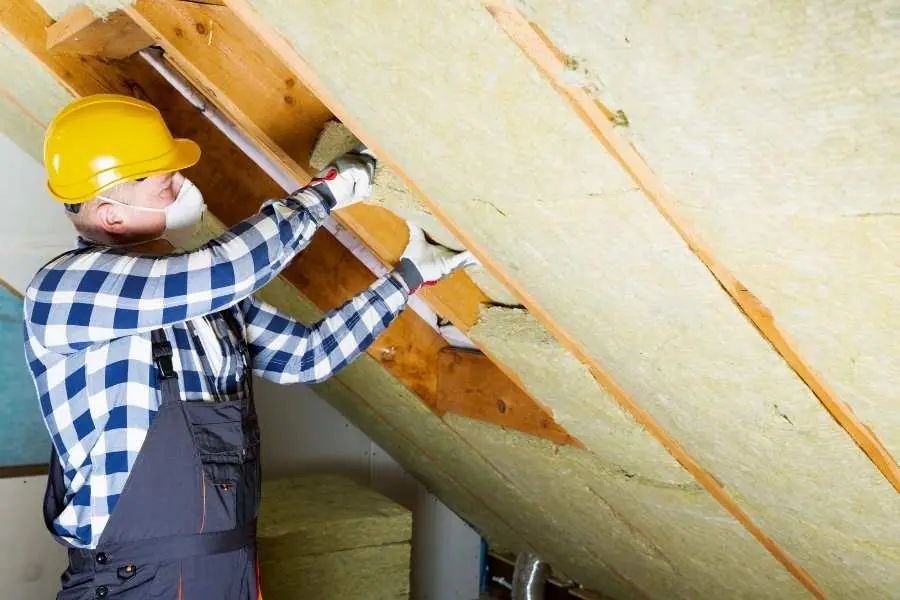
Spray foam attic insulation is a two-component chemical mixture — typically composed of isocyanate and polyol resin — that, when combined through a specialized spray gun, expands rapidly to fill the target area and then cures into a rigid or semi-rigid foam. It has been used commercially since the 1940s, but its residential applications surged dramatically after the energy crisis of the 1970s when homeowners and building scientists recognized its superior air-sealing capabilities compared to fiberglass batts or loose-fill alternatives.
There are two primary types of spray foam used in residential attic applications: open-cell and closed-cell. Open-cell spray foam has a lower density, is more flexible, and provides excellent sound dampening. It typically achieves an R-value of approximately R-3.5 to R-4 per inch. Closed-cell spray foam is denser, more rigid, and delivers a higher R-value of approximately R-6 to R-7 per inch, along with a vapor barrier function that is particularly valuable in regions with fluctuating humidity levels.
Read moreShow less
In La Habra, where the Mediterranean climate brings dry summers and wetter winters, both types serve important roles depending on the specific construction of your home. The city’s housing inventory is diverse, ranging from post-World War II tract homes built between 1945 and 1965 near Central Avenue and Whittier Boulevard to more modern construction in the hillside communities bordering La Habra Heights. Many of these older homes were originally insulated with minimal or outdated materials — asbestos-containing vermiculite or thin fiberglass batts rated at R-11 or lower — that no longer meet current California Title 24 energy code requirements mandating R-38 or higher for attic insulation in Climate Zone 10, which covers La Habra.
Spray foam’s ability to adhere directly to roof decking, rafters, and wall sheathing makes it uniquely effective for converting a vented attic into an unvented conditioned attic space — a building science approach increasingly favored in Southern California’s climate zone for reducing HVAC loads, improving indoor air quality, and minimizing the infiltration of wildfire smoke particulates during fire season events.
Why Spray Foam Attic Insulation Is Needed in La Habra, CA
Extreme Attic Heat from Inland Temperature Patterns
La Habra sits at approximately 410 feet above sea level in the foothills east of the Los Angeles Basin. Unlike coastal cities such as Huntington Beach or Long Beach that benefit from marine layer cooling, La Habra regularly experiences summer high temperatures in the 90°F to 100°F range. The National Weather Service Cooperative Station data for the La Habra and Fullerton area records an average of 32 days per year above 90°F, with peak periods in July, August, and September. During these months, uninsulated or under-insulated attics can reach internal temperatures of 140°F to 160°F. This extreme heat radiates downward through the ceiling, driving up air conditioning costs by as much as 20 to 30 percent and stressing HVAC systems that are often located within the attic space itself.
Santa Ana Wind Events and Air Infiltration
La Habra is directly in the path of Santa Ana wind corridors that funnel through the Puente Hills and Chino Hills passes. During major Santa Ana events — such as the December 2017 wind event that produced sustained gusts exceeding 70 mph across northern Orange County — attic air infiltration spikes dramatically. Gaps as small as 1/4 inch around recessed lighting fixtures, plumbing penetrations, or attic hatches can allow significant volumes of hot, dry, particulate-laden air to infiltrate living spaces. Spray foam’s continuous air barrier eliminates these pathways, a protection that is especially meaningful during the fire weather conditions common to the La Habra and La Habra Heights corridor.
Wildfire Smoke and Air Quality Concerns
The proximity of La Habra to wildland-urban interface zones — particularly the Puente Hills Preserve to the south and the hills bordering La Habra Heights — means residents frequently deal with smoke infiltration during regional fire events. The November 2018 Woolsey Fire and the September 2020 Bobcat Fire both produced Air Quality Index readings exceeding 200 (Very Unhealthy) in the La Habra area for multiple consecutive days. An uninsulated or poorly sealed attic acts as a direct conduit for smoke particles to enter the home. A properly spray-foamed attic reduces this infiltration by creating a continuous air barrier across the entire thermal envelope.
Aging Housing Stock and Deteriorated Original Insulation
Neighborhoods such as those near Euclid Avenue, Idaho Street, and the Lambert Road corridor contain a high concentration of homes built between 1950 and 1975. Many of these properties still contain their original insulation, which may have settled to an effective R-value of R-8 to R-11 — far below the California Title 24 minimum of R-38 for Climate Zone 10. Some pre-1980 homes in La Habra have also been found to contain vermiculite attic insulation potentially contaminated with asbestiform minerals, requiring professional removal before new insulation can be installed.
Moisture from Winter Rains and Condensation
La Habra receives an average annual rainfall of approximately 14 to 16 inches, concentrated between November and March. During these months, temperature differentials between the cold outside air and the warmer interior can produce condensation within improperly sealed attic spaces. This moisture can degrade fiberglass insulation performance by 20 to 40 percent when wet and promote mold growth on wood framing — a problem documented in several La Habra homes inspected following the above-average precipitation seasons of 2016–2017 and 2022–2023.
Free, no-obligation estimates
Talk to Clean Zone Attic Insulation
Tell us what you need and we’ll take it from there.
Signs You Need Spray Foam Attic Insulation in La Habra
Energy and Comfort Indicators
- Monthly electricity bills exceeding $180 to $220 during July and August despite moderate thermostat settings
- Upper-floor rooms that remain 8°F to 12°F warmer than lower floors during afternoon hours
- Air conditioning system that runs continuously during La Habra’s peak heat days without reaching the set temperature
- HVAC ducts located in the attic that sweat or show condensation marks on the ceiling below
Physical and Structural Signs
- Visible daylight through attic eave vents or around recessed lighting fixtures when viewed from inside the attic
- Existing fiberglass batt or blown-in insulation that appears matted, discolored, or compressed below 6 inches in depth
- Staining on attic decking or rafters indicating past or present moisture infiltration
- Pest entry trails — rodent droppings, nesting materials, or insect damage — through existing insulation gaps
Urgency Indicators
- Insulation that tests positive for asbestos content, requiring immediate professional removal
- Active mold growth visible on attic framing members
- Home listed for sale requiring updated insulation documentation for Title 24 compliance
Our process
Our Spray Foam Attic Insulation Process in La Habra
Clean Zone Attic Insulation follows a structured, quality-controlled installation process designed specifically for the construction types and climate conditions found in La Habra, CA.
- 01
Comprehensive Attic Assessment (1–2 Hours)
Our technician conducts a full attic inspection, measuring current insulation depth, identifying air leakage points around recessed lights, plumbing and electrical penetrations, and the attic hatch. We document existing conditions with photos and assess whethe
- 02
Old Insulation Removal If Required (Half to Full Day)
If existing insulation is damaged, contaminated, or at levels too low to layer over effectively, professional insulation removal is performed using high-capacity HEPA-filtered vacuum equipment. All removed material is bagged and disposed of in accordance with
- 03
Air Sealing and Preparation (1–3 Hours)
Before spray foam application, all large penetrations — top plates, recessed light housings, attic bypasses at plumbing walls — are sealed with fire-rated sealant or rigid foam board. This is a critical step for La Habra homes where decades of settlement have
- 04
Spray Foam Application (3–6 Hours)
Our certified technicians apply spray foam at the appropriate thickness to achieve the required R-value. For La Habra’s Climate Zone 10, we target a minimum R-38 for open-cell applications on the attic floor or a minimum of 3 to 4 inches of closed-cell foam on
- 05
Curing and Quality Inspection (2–24 Hours)
Spray foam requires a curing period before the space can be safely re-entered. Our team inspects the cured foam for voids, thin spots, or uncovered areas and applies additional passes where needed.
- 06
Final Ventilation Clearance and Cleanup
The work area is cleaned, protective coverings removed, and the attic hatch resealed. We provide you with a written summary of the work completed, including R-values achieved and any recommendations for follow-up attic maintenance.
Spray Foam Methods and Approaches We Use
Open-Cell Spray Foam — Attic Floor Application
Open-cell spray foam applied at 9 to 10 inches depth across the attic floor achieves approximately R-35 to R-38, meeting California Title 24 minimums for La Habra’s Climate Zone 10. This method is cost-effective for homes with accessible attic floors and is the most common approach in La Habra’s mid-century ranch homes. It also provides excellent sound attenuation — a benefit for homes near the high-traffic corridors of Whittier Boulevard or Imperial Highway.
Closed-Cell Spray Foam — Roof Deck Application
Applied directly to the underside of the roof decking and rafters at 5 to 6 inches, closed-cell foam creates an unvented attic assembly that brings the attic into the home’s conditioned envelope. This is particularly valuable for La Habra homes where HVAC equipment and ductwork are located in the attic, dramatically reducing thermal losses from duct systems exposed to extreme heat. Closed-cell foam also adds structural rigidity to roof assemblies — an important consideration given the seismic activity common to the greater Los Angeles area.
Hybrid Approach — Closed-Cell Base with Open-Cell Topping
For maximum performance, we sometimes apply a 2-inch closed-cell base coat for vapor control and air sealing, followed by open-cell foam to achieve the target R-value at a reduced overall cost compared to full closed-cell applications. This hybrid method is well-suited for older La Habra homes with irregular framing that benefits from the closed-cell layer’s rigid adhesion.
Supplemental Blown-In Insulation Over Spray-Sealed Floors
In some cases, spray foam is used exclusively for air sealing key penetrations, and blown-in cellulose or fiberglass is added on top to achieve the required depth. This is a practical and economical approach for La Habra homeowners looking to balance performance with budget.
Spray Foam Attic Insulation Cost in La Habra, CA
Understanding the cost of spray foam attic insulation helps La Habra homeowners budget appropriately and evaluate proposals accurately. Pricing varies based on several factors specific to our local market.
Typical Price Ranges
- Open-cell spray foam (attic floor): $1.50 to $2.50 per board foot, or approximately $2,500 to $5,500 for a typical 1,500 to 2,000 square foot La Habra home attic
- Closed-cell spray foam (roof deck): $3.00 to $5.00 per board foot, or approximately $5,000 to $10,000 for the same attic size at 3 to 4 inches depth
- Hybrid open/closed-cell installation: $3,500 to $7,500 depending on attic dimensions and existing conditions
- Air sealing only with supplemental blown-in: $1,500 to $3,000 for combined scope
Read moreShow less
Cost Factors Specific to La Habra
Older homes near the Lambert Road and Euclid Avenue corridors often require additional labor for navigating complex attic framing with limited access points, which can add $300 to $800 to base pricing. Homes requiring prior insulation removal add $1,000 to $2,500 depending on depth and material type. Asbestos-containing material testing and abatement, if required for pre-1980 La Habra properties, is quoted separately.
Available Incentives
Southern California Edison (SCE) and Southern California Gas (SoCalGas) both offer residential energy efficiency rebates for qualifying insulation upgrades. La Habra homeowners served by SCE may qualify for rebates of $0.10 to $0.20 per square foot for insulation improvements meeting Title 24 standards. We recommend calling us at (562) 526-0372 to discuss current rebate availability when scheduling your estimate.
La Habra Neighborhoods We Serve
Central La Habra — Lambert Road and Euclid Corridor
This core residential zone contains a high density of post-war tract homes built between 1948 and 1965, many with original shallow attics and minimal insulation. These homes frequently present with R-8 to R-11 existing insulation and attic access hatches that have never been properly sealed. Spray foam upgrades here deliver some of the most dramatic comfort and energy savings results we document.
North La Habra — Hillside Properties Near La Habra Heights Border
Homes along the northern hillside areas bordering La Habra Heights tend to be larger custom builds from the 1970s to 1990s, with steeper roof pitches and more complex attic geometries. Closed-cell spray foam on the roof deck is often the preferred approach here, particularly given the proximity to wildland areas and the smoke infiltration risk during fire weather.
South La Habra — Near Whittier Boulevard and Imperial Highway
The southern residential areas near major commercial corridors include a mix of apartment buildings and single-family homes from the 1960s through 1980s. Traffic noise from Whittier Boulevard makes open-cell foam’s acoustic dampening properties especially valuable here, and many property owners pursue insulation upgrades as part of broader renovation projects.
We also serve surrounding communities including Brea, Fullerton, Whittier, and Yorba Linda.
Attic Insulation Maintenance Tips for La Habra Homeowners
- Inspect annually each October: Before La Habra’s Santa Ana wind season peaks in November and December, do a visual attic check for new gaps around penetrations or displaced materials.
- Check attic hatch seals: The attic access hatch is one of the most common air leakage points in La Habra’s older homes. Ensure weatherstripping remains intact and that the hatch cover fits tightly.
- Monitor for pest intrusion: Rodents are active in La Habra’s hillside areas and can damage foam insulation. Look for entry evidence along eave lines and at utility penetrations.
- Keep attic ventilation clear: For vented attic systems, ensure soffit vents along eave lines remain free of insulation, debris, or bird nesting materials after spring.
- Schedule a post-storm inspection after heavy rain events: Following La Habra’s winter rain periods (typically December through March), check for moisture staining on attic decking that could indicate roof or flashing issues.
- Verify HVAC duct connections annually: Ducts located in the attic should be checked for disconnected joints or tears in duct insulation that reduce system efficiency.
- Do not store heavy items directly on attic insulation: Compression reduces R-value; use proper attic storage platforms if storing items above the insulation layer.
Why Choose Clean Zone Attic Insulation in La Habra
Clean Zone Attic Insulation is a dedicated insulation specialist serving La Habra and the surrounding communities of Orange and Los Angeles Counties. Our technicians are trained specifically in the building types, climate conditions, and energy code requirements that apply to properties in La Habra and throughout Climate Zone 10. We do not subcontract our insulation work — every installation is completed by our own trained crew to ensure consistent quality and accountability.
We offer a comprehensive range of services beyond spray foam, including attic insulation installation, blow-in insulation, crawl space encapsulation, crawl space insulation, and insulation replacement — allowing us to address your entire home’s thermal envelope in a single relationship.
Read moreShow less
Our familiarity with La Habra’s housing stock, from Lambert Road ranch homes to hillside custom builds near the La Habra Heights border, means we identify issues and opportunities that generalist contractors may miss. We provide detailed written estimates, clear timelines, and transparent pricing with no hidden fees. For questions or to schedule your free assessment, call us at (562) 526-0372.
FAQ
Frequently Asked Questions — Spray Foam Attic Insulation in La Habra, CA
How much does spray foam attic insulation cost in La Habra?
In La Habra, open-cell spray foam typically costs between $2,500 and $5,500 for an average-sized attic of 1,500 to 2,000 square feet. Closed-cell applications run $5,000 to $10,000 for the same size. Factors such as attic accessibility, existing insulation removal needs, and the complexity of your roof framing all affect the final price. We provide free on-site estimates tailored to your specific property.
How long does spray foam attic insulation installation take in La Habra?
Most residential spray foam attic insulation projects in La Habra are completed in one to two days. The first day typically involves inspection, preparation, and any required removal of old materials. The foam application itself usually takes three to six hours, followed by a curing period of approximately 24 hours before the attic is fully accessible. Complex jobs on larger or older hillside homes may require an additional half-day.
Is spray foam better than blown-in insulation for La Habra homes?
For La Habra homes experiencing significant air infiltration — particularly along the Santa Ana wind corridors — spray foam’s continuous air sealing capability provides benefits that blown-in insulation alone cannot match. However, blown-in insulation is a cost-effective solution for homes where air sealing has already been addressed. Many of our La Habra customers benefit from a hybrid approach: spray foam for air sealing at key penetrations, combined with blown-in insulation to achieve required R-value depth.
Will spray foam attic insulation help with wildfire smoke in La Habra?
Yes. Spray foam creates a continuous air barrier that significantly reduces the infiltration of outside air — including smoke-laden air during wildfire events — through the attic into the living space. Given La Habra’s proximity to the Puente Hills and the frequency of regional fire weather events producing AQI readings above 150, this is a meaningful benefit that many local homeowners cite as a primary motivation for upgrading their attic insulation.
Does my La Habra home need a permit for spray foam attic insulation?
In most cases, routine insulation installation does not require a building permit in the City of La Habra. However, if the project involves converting a vented attic to an unvented conditioned attic assembly using closed-cell foam on the roof deck, a permit may be required. We advise clients on permit requirements during the assessment phase and can assist with any required documentation for the La Habra Building and Safety Division.
How do I know if my La Habra home’s existing insulation contains asbestos?
Homes built in La Habra before 1980 that have vermiculite insulation in the attic should have that material tested by a certified asbestos inspector before any disturbance or removal. Vermiculite was commonly mined from deposits potentially contaminated with asbestiform minerals. If you are unsure of your home’s insulation composition and it was built prior to 1980, we can arrange for a certified sample collection before we begin any removal work.
How soon will I see energy savings after spray foam installation?
Most La Habra homeowners report noticeable differences in comfort and a measurable reduction in air conditioning run time within the first billing cycle following installation. Actual utility bill savings depend on your prior insulation condition, HVAC system efficiency, and your usage patterns, but industry data for Climate Zone 10 suggests annual heating and cooling energy savings of 15 to 25 percent following a comprehensive spray foam attic upgrade.
Do you serve areas near La Habra, CA?
Yes. In addition to La Habra, Clean Zone Attic Insulation serves Rowland Heights, Anaheim, Cerritos, Downey, La Habra Heights, La Mirada, La Puente, Norwalk, Santa Fe Springs, West Covina, Whittier, Brea, Buena Park, Fullerton, Garden Grove, Placentia, Yorba Linda, and Hacienda Heights. Call us at (562) 526-0372 to confirm service availability at your address.
Get Your Free Spray Foam Attic Insulation Estimate in La Habra, CA
If your La Habra home is struggling with high cooling bills, uneven room temperatures, or an attic that has never been properly insulated, Clean Zone Attic Insulation is ready to help. Our team provides thorough on-site assessments, honest recommendations, and professional spray foam attic insulation installations designed specifically for the climate and construction conditions of La Habra and the surrounding communities.
Don’t wait until the next heat wave sends your attic temperatures above 140°F or the next Santa Ana wind event drives up your energy costs. Contact us today to schedule your free, no-obligation estimate.
We serve La Habra and all surrounding areas including Fullerton, Whittier, Brea, Yorba Linda, La Habra Heights, and Hacienda Heights. We look forward to helping you achieve a more comfortable, energy-efficient home.
Get in touch
Find insulation help near you
Request a free estimate online or give us a call — our team will follow up quickly.
- Call us(562) 526-0372
- Visit731 N Beach Blvd, La Habra, CA 90631
- HoursMon-Sun 07:00-19:00