Mineral Wool Insulation in La Habra, CA
Energy-Saving Mineral Wool Insulation for La Habra, CA Homes — Licensed & Insured
Get expert mineral wool insulation in La Habra, CA. Clean Zone offers fire-rated, energy-saving installation for attics, walls & crawl spaces. Call (562) 526-0372.
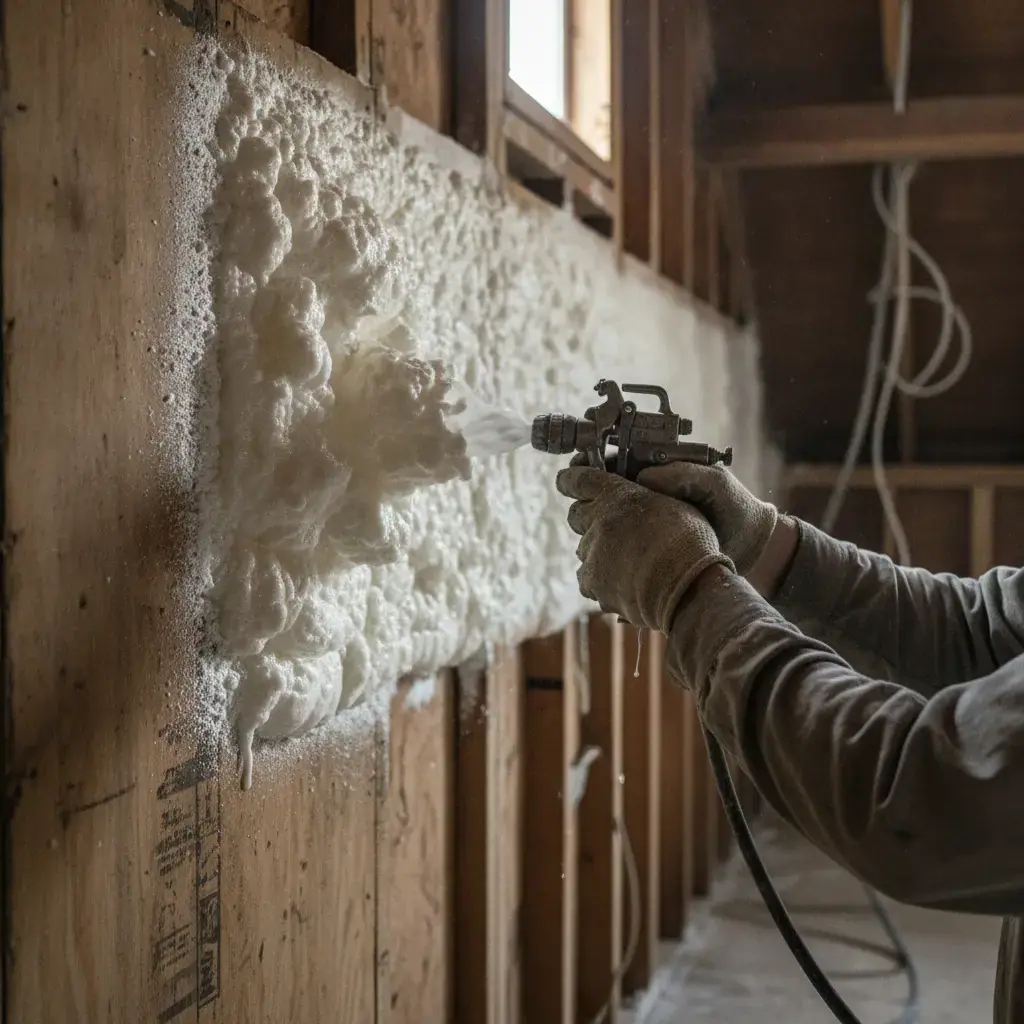
Mineral wool insulation is a high-performance, fire-resistant insulation material manufactured from natural rock or industrial slag that is spun into dense, fibrous batts or boards. Unlike traditional fiberglass insulation, mineral wool offers superior thermal resistance, acoustic dampening, and moisture management — qualities that make it exceptionally well-suited for La Habra’s unique Mediterranean climate, aging housing stock, and wildfire-adjacent risk profile.
At Clean Zone Attic Insulation, we specialize in professional mineral wool insulation installation for homes and businesses throughout La Habra, CA. Our team understands the specific construction styles found along neighborhoods like West La Habra and the hillside properties near La Habra Heights Road, where temperature swings, coastal humidity, and Santa Ana wind events place extraordinary demands on building envelopes. Whether you’re upgrading an existing home or insulating a new addition, we bring precision craftsmanship and deep local knowledge to every project. Call us today at (562) 526-0372 to schedule your free assessment.
Understanding Mineral Wool Insulation
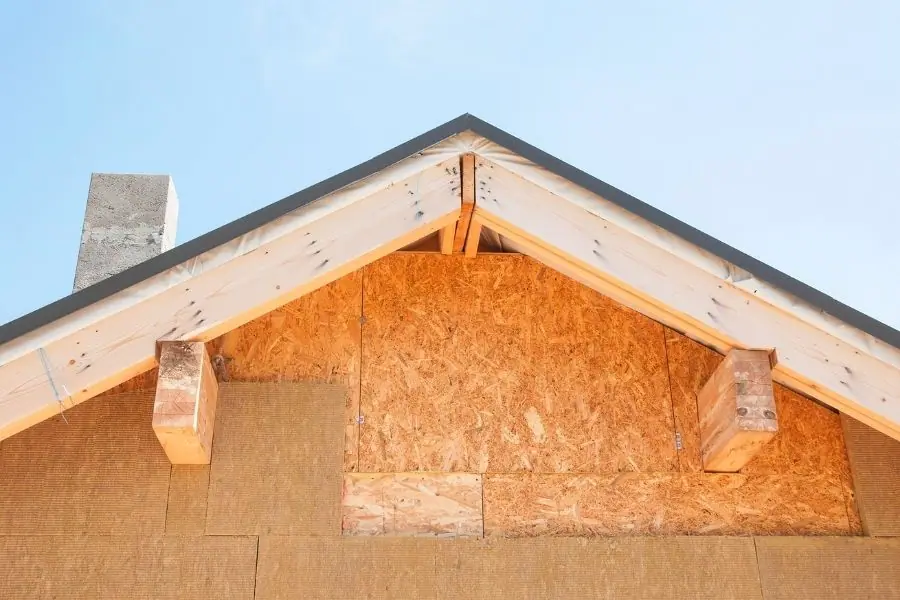
Mineral wool insulation — also sold under trade names such as Rockwool and Thermafiber — is produced by melting basalt rock or recycled steel slag at temperatures exceeding 2,900°F and spinning the molten material into dense, interlocking fibers. The resulting product is then pressed into batts, loose-fill, or rigid boards depending on the intended application. It has been used in European construction for over a century and gained widespread adoption in North American residential and commercial construction beginning in the 1980s as energy codes grew more stringent.
The material carries several key performance advantages that set it apart from conventional insulation options:
- Thermal Performance: Mineral wool typically achieves an R-value of R-3.0 to R-3.3 per inch, making it comparable to fiberglass while maintaining that R-value even when compressed or exposed to moderate moisture.
- Fire Resistance: Mineral wool is inherently non-combustible and can withstand temperatures up to 2,150°F. It does not melt, drip, or off-gas toxic fumes during a fire event — a critical attribute in Southern California’s wildfire-prone environment.
- Acoustic Control: The dense fiber matrix absorbs sound waves rather than reflecting them, making it an ideal choice for shared walls, home theaters, and homes situated near busy corridors like Lambert Road or Harbor Boulevard.
- Moisture Resistance: Mineral wool is hydrophobic by nature, repelling water while still allowing vapor to pass through — this prevents mold colonization in wall cavities and attic spaces that experience seasonal humidity fluctuations.
- Sustainability: Products like Rockwool Safe ‘n’ Sound contain up to 75% recycled content and are fully recyclable at end of life.
Read moreShow less
In La Habra, the building landscape includes ranch-style homes built between the 1950s and 1970s, mid-century commercial strips along Imperial Highway, and newer infill developments in subdivisions near Westridge Drive. Each building type presents different insulation challenges — from balloon-frame walls that allow air to travel vertically through a structure to modern platform-frame homes with complex roof geometries. Mineral wool’s versatility across batt, board, and blown forms makes it adaptable to every one of these scenarios.
For homeowners comparing options, spray foam insulation and blow-in insulation remain strong alternatives, but mineral wool frequently wins in applications where fire rating, acoustics, or vapor management are the primary concerns.
Why Mineral Wool Insulation Is Needed in La Habra, CA
Santa Ana Wind Events and Wildfire Risk
La Habra sits directly in the path of seasonal Santa Ana wind events that funnel through Brea Canyon and descend from the Puente Hills. During major wind events — such as the November 2019 wind advisory that brought gusts exceeding 70 mph to North Orange County — ambient temperatures in La Habra can spike 15–25°F within hours while relative humidity drops below 10%. These conditions place tremendous thermal stress on building envelopes and dramatically elevate wildfire risk along the La Habra Heights boundary. Mineral wool’s inherent fire resistance and Class A flame spread rating provide a critical passive defense layer for homes on the northern and eastern edges of La Habra near the Whittier Hills.
Temperature Extremes and Energy Loss
La Habra experiences average summer highs of 88–94°F in July and August, with periodic heat events pushing temperatures above 100°F in inland-facing neighborhoods like Country Hills and the hillside streets above La Habra Boulevard. Meanwhile, winter nights can dip to the low 40s, creating a significant seasonal delta. Homes built before California’s Title 24 energy code — particularly the large number of 1,200–1,800 square foot ranch homes constructed along Walnut Street and Cypress Street between 1955 and 1975 — were rarely insulated to modern standards. Many retain original fiberglass batts with settled R-values as low as R-7 in attics that originally specified R-19. Replacing or supplementing this aged insulation with mineral wool can reduce HVAC energy consumption by 20–35% annually.
Coastal Humidity and Moisture Intrusion
Despite being approximately 15 miles from the Pacific Ocean, La Habra regularly experiences marine layer incursion from June through August — a phenomenon locally known as “June Gloom.” This marine layer deposits moisture on cool surfaces and in poorly ventilated attic spaces. Homes in the western neighborhoods near Idaho Street and along Beach Boulevard experience higher ambient humidity than inland ZIP codes, creating conditions favorable to mold growth inside conventional fiberglass batts. Mineral wool’s hydrophobic structure means it sheds rather than absorbs this moisture, maintaining its R-value and preventing the biological degradation that compromises air quality.
Seismic Activity and Structural Gaps
La Habra lies in close proximity to the Puente Hills Fault System. The magnitude 5.1 earthquake centered in La Habra on March 28, 2014, caused measurable settlement in hundreds of local homes, creating gaps in wall cavities, attic bypasses around ceiling light fixtures, and separations at rim joists where insulation previously provided a continuous air barrier. These seismically induced bypasses are a leading cause of unexplained energy loss in La Habra homes. Mineral wool batts, due to their semi-rigid density, hold their position in compromised cavities better than flexible fiberglass and can be friction-fit into irregular gaps created by structural movement.
Aging Housing Stock
A significant portion of La Habra’s residential inventory was constructed between 1945 and 1975 in tracts developed by builders like William Lyon Homes and Los Coyotes Estates developers. These homes frequently used minimal wall insulation — often no more than 2-inch fiberglass — and uninsulated slab-on-grade construction. Insulation removal and full replacement with modern mineral wool products delivers the largest performance gains in these older structures.
Free, no-obligation estimates
Talk to Clean Zone Attic Insulation
Tell us what you need and we’ll take it from there.
Signs You Need Mineral Wool Insulation in La Habra
Thermal Comfort Symptoms
- Rooms along north-facing or west-facing exterior walls feel noticeably cooler or hotter than interior rooms
- Upstairs bedrooms remain 8–12°F warmer than downstairs living spaces during summer afternoons
- Your HVAC system runs continuously for more than 20 minutes per cycle during mild weather (65–80°F outdoors)
- Cold drafts are detectable near electrical outlets on exterior walls during winter evenings
Energy and Utility Bill Signals
- Summer electricity bills exceed $220–$280 per month for a home under 1,800 square feet
- Your utility bills have increased more than 15% year-over-year without a change in occupancy or appliances
- Southern California Edison’s Home Energy Report rates your home in the bottom quartile compared to similar La Habra residences
Physical and Visual Indicators
- Visible gaps, compression, or water staining on existing attic insulation
- Insulation that crumbles or has a yellow, brittle appearance indicating age-related degradation
- Musty odors emanating from wall cavities or attic access panels after marine layer nights
- Ice dams or condensation on interior window frames during January cold snaps
Urgency Indicators
- Any visible mold on insulation material requires immediate insulation removal and replacement
- Homes within a quarter mile of the La Habra Heights fire zone boundary should prioritize fire-rated mineral wool before the next Santa Ana season (typically October–January)
Our process
Our Mineral Wool Insulation Process in La Habra
- 01
Free Home Energy Assessment (1–2 Hours)
A Clean Zone technician visits your La Habra property to conduct a comprehensive baseline evaluation. We measure existing insulation R-values in the attic, walls, and crawl space using a calibrated depth gauge and visual inspection. We also identify air bypass
- 02
Existing Insulation Assessment and Removal (Half Day to Full Day)
If existing insulation is degraded, contaminated, or compressed below acceptable R-values, we complete full insulation removal using HEPA-filtered vacuum equipment. This step is essential before mineral wool installation to ensure proper adhesion, consistent d
- 03
Air Sealing (2–4 Hours)
Before any insulation is installed, we seal all identified bypasses using fire-rated caulk and spray foam at penetrations less than 3 inches, and rigid foam board for larger gaps. This step is especially important in La Habra homes that experienced settlement
- 04
Mineral Wool Installation (4–8 Hours Depending on Scope)
Our installers cut mineral wool batts to precise dimensions using a straight edge and utility knife. Batts are friction-fit into stud cavities, rafter bays, or attic floor joists without gaps, compression, or voids. For attic floors in La Habra homes, we typic
- 05
Vapor Barrier and Covering (1–2 Hours)
Where required by building code or moisture conditions, we install a continuous vapor retarder over the mineral wool layer. In La Habra crawl spaces, this typically means a 6-mil poly sheeting laid across the ground surface as part of our crawl space encapsula
- 06
Final Inspection and Documentation (30–60 Minutes)
We conduct a final walkthrough with the homeowner, documenting installed R-values, material specifications, and coverage areas for permit records and utility rebate applications. We assist clients in filing for Southern California Edison and SoCalGas energy ef
Mineral Wool Insulation Methods and Approaches
Mineral Wool Batt Installation
The most common method for La Habra residential projects. Pre-cut batts in standard 15-inch and 23-inch widths fit between standard 16-inch and 24-inch on-center framing. This approach is ideal for open attic floors, accessible wall cavities during renovation, and crawl space insulation of floor joists. Batts require no curing time and allow immediate re-occupancy of the space. Best suited for: attic floors, accessible rim joists, open wall cavities in homes undergoing remodeling on streets like Rollins Drive or Citrus Avenue.
Mineral Wool Rigid Board
Semi-rigid mineral wool boards (typically 2 to 4 inches thick) are used where continuous insulation is needed over wall sheathing or beneath roof decking. This method eliminates thermal bridging through studs and is increasingly specified for La Habra homes pursuing California Green Building Code (CALGreen) compliance. Boards are mechanically fastened and provide R-values from R-8 to R-16 in a single layer.
Blown Mineral Wool (Loose Fill)
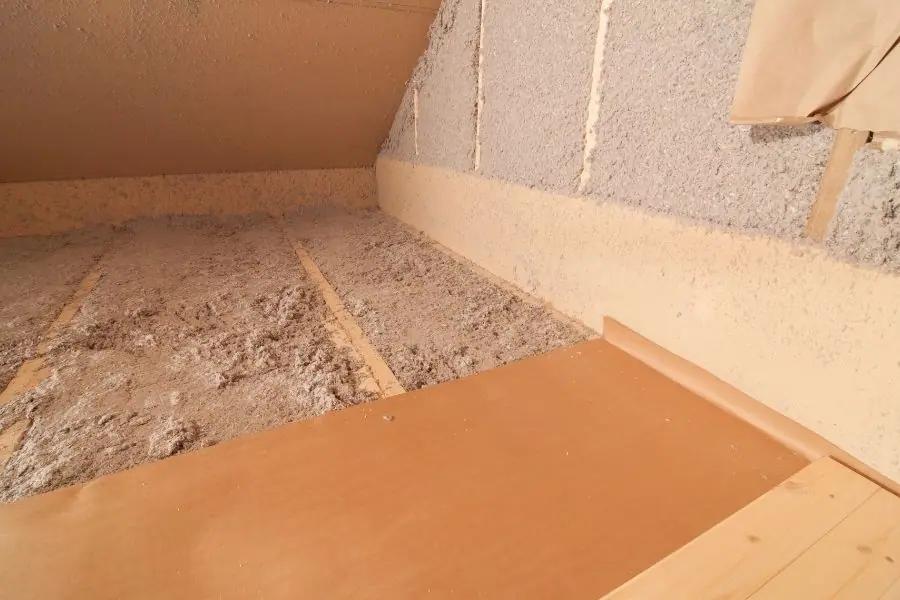
For attics with irregular joist spacing, heavily obstructed floor areas, or existing insulation that will remain in place, blown loose-fill mineral wool is injected using pneumatic equipment. This method achieves uniform coverage around obstructions like electrical junction boxes and cross-bracing — particularly useful in the complex attic geometries of split-level homes common in the Country Hills neighborhood. See also: blow-in insulation services.
Combined Mineral Wool and Spray Foam Hybrid
For maximum air tightness combined with mineral wool’s fire resistance and acoustic performance, we offer a hybrid approach: closed-cell spray foam insulation at the rim joist and critical air bypass locations, with mineral wool batts filling the remaining cavity. This combination delivers both the air barrier integrity of spray foam and the fire-rated, breathable performance of mineral wool.
Mineral Wool Insulation Cost in La Habra, CA
Understanding the cost of mineral wool insulation helps La Habra homeowners budget accurately and compare bids. Pricing varies based on the area to be insulated, existing conditions, required R-value, and access difficulty.
Typical Price Ranges
- Attic insulation (mineral wool batts or blown): $1.80–$3.50 per square foot installed, or $2,000–$5,500 for a typical 1,400–1,800 sq ft La Habra ranch home attic
- Wall cavity insulation (batt, during renovation): $1.50–$2.75 per square foot
- Crawl space floor joist insulation: $2.00–$3.75 per square foot
- Rigid mineral wool board (continuous insulation): $3.00–$6.00 per square foot installed
- Combined insulation removal and replacement: Add $0.75–$1.50 per square foot for removal
Read moreShow less
Factors That Affect Mineral Wool Insulation Cost in La Habra
- Existing insulation condition: Heavily contaminated or rodent-damaged insulation in older La Habra homes requires more extensive removal preparation
- Attic access: Low-pitch rooflines common in 1960s tract homes on Euclid Street reduce installer mobility and increase labor time
- Target R-value: Upgrading from R-11 to R-38 requires more material and staging than a simple top-off
- Utility rebates: Southern California Edison’s Home Upgrade program offers rebates of $200–$500 for qualifying insulation upgrades that can meaningfully offset total project cost
- Permits: Orange County building permits for insulation replacement typically run $75–$150 and are included in our project quotes
Contact Clean Zone Attic Insulation at (562) 526-0372 for a no-obligation quote tailored to your specific La Habra property.
La Habra Neighborhoods We Serve
West La Habra
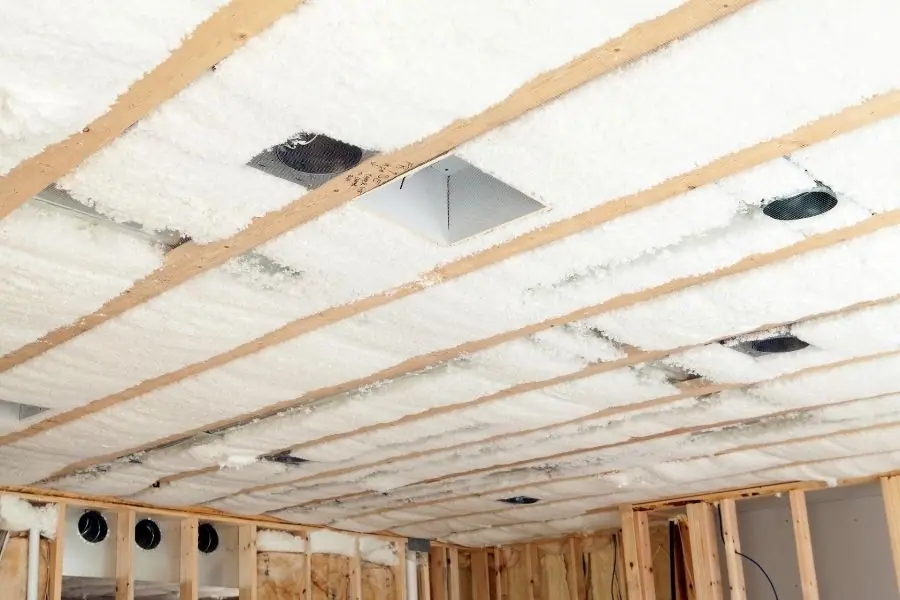
The western corridor of La Habra along Beach Boulevard and Cypress Street contains a high density of post-WWII single-story homes built between 1948 and 1965. These structures frequently used 2×4 exterior wall framing with minimal or no insulation in the wall cavities and single-pane jalousie or aluminum windows. Mineral wool batt upgrades in this neighborhood typically achieve the highest energy savings of any La Habra submarket due to the low baseline insulation levels.
Country Hills
The hillside Country Hills neighborhood, developed primarily in the 1970s–1980s along rolling terrain above La Habra Boulevard, features two-story homes with complex attic geometries including cathedral ceilings, knee walls, and split-level floor plates. These design features create numerous air bypass pathways and require a combination of rigid mineral wool board and batt installation to achieve continuous coverage.
La Habra Heights Adjacent
Homes along the northern boundary of La Habra near La Habra Heights Road and Hacienda Road face the highest wildfire interface exposure in the city. For these properties, we prioritize fire-rated mineral wool (meeting ASTM E136 non-combustibility standards) in attics and wall cavities and pair it with full attic insulation packages designed for defensible envelope construction.
Downtown La Habra / Imperial Highway Corridor
Mixed-use and older commercial buildings along Imperial Highway often require mineral wool rigid board for exterior continuous insulation during facade renovations, along with interior partition mineral wool for sound control between retail and residential occupancies.
Mineral Wool Insulation Maintenance Tips for La Habra Homeowners
- Inspect annually after Santa Ana season (January–February): High-velocity wind events can displace lightweight insulation near attic vents; check that mineral wool batts remain properly seated along the eave line.
- Check attic ventilation every spring: La Habra’s dry summers can cause organic debris to block soffit vents; clear blockages to maintain proper airflow above the mineral wool layer and prevent moisture buildup.
- Monitor for pest activity after heavy rains: Ground squirrels and roof rats are common in La Habra’s hillside neighborhoods and can burrow into attic spaces; inspect for tunneling in mineral wool batts and seal entry points promptly.
- Re-inspect after any seismic event above magnitude 3.5: Check for new gaps or displaced batts along top plates and rim joists following any notable ground motion.
- Keep attic hatch weatherstripped: An unweatherstripped attic hatch is functionally equivalent to an open window; replace the seal every 3–5 years.
- Do not store heavy items directly on attic floor insulation: Compressing mineral wool reduces its R-value; use raised attic flooring boards if storage is required.
- Check crawl space vapor barrier annually: La Habra’s seasonal rain (averaging 14 inches annually) can pool beneath homes with inadequate grading; inspect the crawl space vapor barrier for tears or standing water each March.
- Reapply caulk at penetrations every 5–7 years: Air sealing compounds around plumbing and electrical penetrations degrade over time; periodic re-sealing preserves the full performance of the insulation system.
Why Choose Clean Zone Attic Insulation in La Habra
Clean Zone Attic Insulation is a locally operated insulation contractor serving La Habra and surrounding communities in Orange and Los Angeles counties. Our technicians have hands-on experience with the specific housing types, soil conditions, and climate challenges found across La Habra’s neighborhoods — from the post-war tract homes of West La Habra to the hillside estates near La Habra Heights Road.
We offer the full spectrum of insulation services under one roof: attic insulation, spray foam insulation, blow-in insulation, crawl space insulation, crawl space encapsulation, and insulation removal and replacement. This comprehensive capability means we can address every component of your home’s thermal envelope in a single coordinated project — no subcontracting, no scheduling gaps, no divided accountability.
Read moreShow less
We stand behind our workmanship and use only industry-leading mineral wool products from manufacturers that meet California’s stringent VOC and fire safety standards. Our team will guide you through available utility rebates and ensure your project documentation is complete for Southern California Edison and SoCalGas incentive programs. Call us at (562) 526-0372 to speak directly with a La Habra insulation specialist.
FAQ
Frequently Asked Questions About Mineral Wool Insulation in La Habra
How much does mineral wool insulation cost in La Habra, CA?
Most La Habra homeowners pay between $2,000 and $5,500 for a complete attic mineral wool insulation installation in a typical 1,400–1,800 square foot single-story home. Wall cavity installation during renovation runs $1.50–$2.75 per square foot. Crawl space floor joist insulation typically costs $2.00–$3.75 per square foot. Exact pricing depends on existing conditions, required R-value, and access difficulty. Southern California Edison rebates of $200–$500 may apply to qualifying projects. Call (562) 526-0372 for a site-specific quote.
Is mineral wool better than fiberglass insulation for La Habra homes?
For most La Habra applications, mineral wool outperforms fiberglass in three critical categories: fire resistance (non-combustible vs. fiberglass which melts at 1,100°F), moisture management (hydrophobic vs. fiberglass which absorbs and retains moisture), and acoustic performance. Given La Habra’s wildfire interface risk, marine layer humidity, and proximity to busy corridors like Harbor Boulevard and Imperial Highway, mineral wool delivers a more durable and safer long-term solution for most homeowners.
How long does mineral wool insulation last in La Habra’s climate?
When properly installed and protected from physical disturbance, mineral wool insulation maintains its performance for 50–100 years. Unlike organic insulation materials, it does not degrade from La Habra’s seasonal temperature swings, UV exposure, or humidity cycles. The most common reason for early replacement in La Habra homes is pest intrusion or water damage from roof leaks — neither of which is a failure of the mineral wool material itself.
Do I need a permit to install mineral wool insulation in La Habra?
In most cases, attic insulation upgrades in La Habra do not require a building permit when the work is adding insulation to an existing structure without structural modification. However, insulation replacement following removal and projects that include air sealing work at the roof sheathing may require an Orange County building department permit. Clean Zone handles all permit inquiries as part of our project scoping process.
How long does the installation take for a typical La Habra home?
A standard attic insulation installation in a 1,400–1,800 square foot La Habra ranch home typically takes one full day (6–8 hours) including air sealing and cleanup. Combined projects that include crawl space insulation or wall cavity work may extend to two days. Homes in Country Hills with complex attic geometries may require an additional half-day for proper coverage of cathedral ceiling and knee wall sections.
Will mineral wool insulation help with noise from Harbor Boulevard and Lambert Road?
Yes. Mineral wool has a Noise Reduction Coefficient (NRC) of 0.95–1.05, meaning it absorbs nearly 100% of sound energy within the material. Homes within two to three blocks of Harbor Boulevard, Lambert Road, or Whittier Boulevard experience measurable exterior noise intrusion. Installing mineral wool in exterior wall cavities reduces airborne sound transmission by 10–15 decibels, which is perceptible as cutting background traffic noise approximately in half.
Can mineral wool insulation help my La Habra home qualify for energy rebates?
Yes. Both Southern California Edison and SoCalGas offer rebates under their Home Upgrade programs for insulation improvements that meet or exceed California Title 24 R-value thresholds. For Climate Zone 8 (which includes La Habra), attic insulation must achieve a minimum of R-38 to qualify for the highest rebate tier. Clean Zone provides all documentation required for rebate applications as part of our standard project close-out process.
What is the difference between mineral wool and spray foam insulation for attics in La Habra?
Mineral wool installed on the attic floor maintains a ventilated attic assembly — the standard approach in most La Habra homes — while spray foam insulation applied to the roof deck creates an unventilated conditioned attic. Spray foam delivers superior air sealing and is preferred when HVAC equipment is located in the attic space. Mineral wool is preferred when fire resistance, budget, and simplicity of installation are the primary considerations. Our team evaluates both options during the initial assessment and recommends the approach best suited to your specific home configuration.
Get a Free Mineral Wool Insulation Quote in La Habra Today
If your La Habra home is losing energy through an aging attic, drafty walls, or an uninsulated crawl space, Clean Zone Attic Insulation is ready to help. Our team brings specialized knowledge of La Habra’s housing stock, climate conditions, and local building codes to every mineral wool insulation project — from the post-war bungalows of West La Habra to the hillside properties bordering La Habra Heights.
Call us at (562) 526-0372 to schedule your free, no-pressure home energy assessment. We serve La Habra and surrounding communities including Brea, Fullerton, Whittier, La Mirada, and Yorba Linda. Our team is ready to help you reduce energy costs, improve indoor comfort, and strengthen your home’s fire resilience — starting with one phone call.
We also serve homeowners throughout our full service area across Orange and Los Angeles counties. Contact Clean Zone Attic Insulation today and take the first step toward a more comfortable, efficient La Habra home.
Get in touch
Find insulation help near you
Request a free estimate online or give us a call — our team will follow up quickly.
- Call us(562) 526-0372
- Visit731 N Beach Blvd, La Habra, CA 90631
- HoursMon-Sun 07:00-19:00