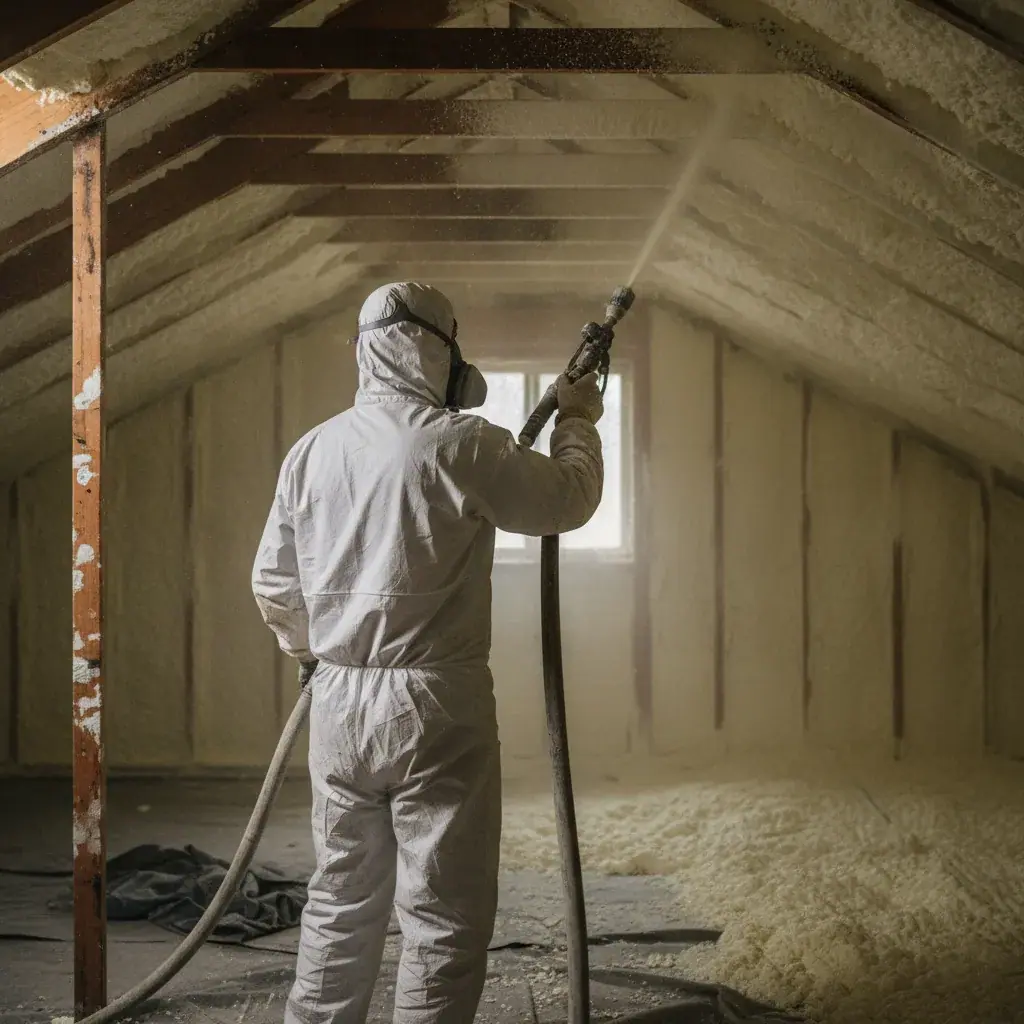
Basement Insulation in La Habra, CA
Energy-Saving Basement Insulation for La Habra, CA Homes — Licensed & Insured
Need basement insulation in La Habra, CA? Clean Zone Attic Insulation offers expert installation, spray foam & removal. Call (562) 526-0372 for a free estimate.
Basement insulation is the process of applying thermal and moisture barriers to basement walls, floors, and rim joists to control heat transfer, prevent moisture intrusion, and improve overall home energy efficiency. For homeowners in La Habra, CA, proper basement insulation is especially critical given the region’s unique Mediterranean climate, which swings between dry, hot summers and cooler, damp winters — conditions that place constant stress on unprotected below-grade spaces.
At Clean Zone Attic Insulation, we specialize in comprehensive basement insulation solutions tailored specifically to the architectural styles and environmental challenges found throughout La Habra and the surrounding communities. From older mid-century ranch homes near Lambert Road to newer construction in the Lambert Hills area, our team delivers expert insulation installation designed to lower energy bills, improve indoor comfort, and protect your home’s structural integrity. Call us today at (562) 526-0372 to schedule your free consultation.
Understanding Basement Insulation
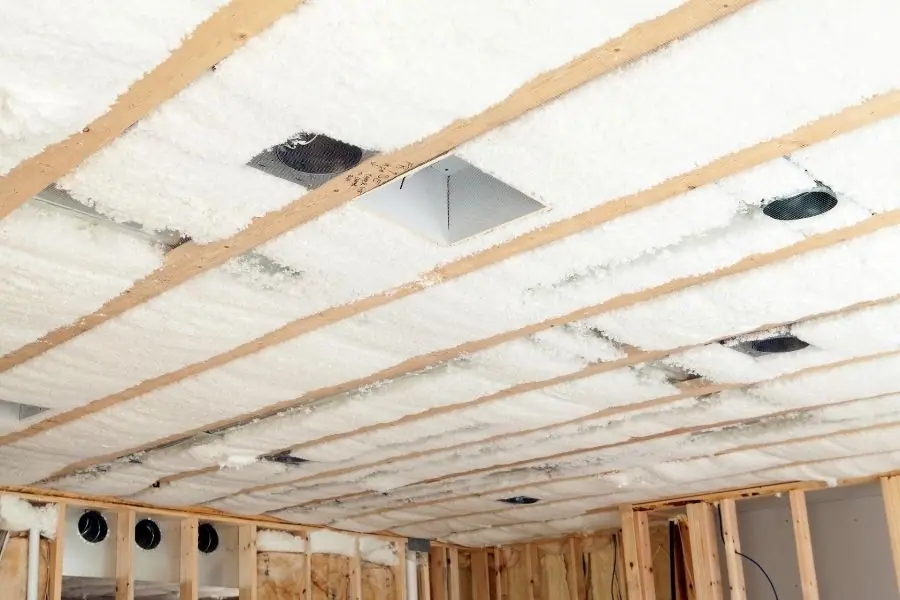
Basement insulation refers to the application of insulating materials — such as spray foam, rigid foam board, fiberglass batts, or blown-in cellulose — to the walls, ceiling, and floor assemblies of a home’s basement or subterranean space. The fundamental goal is to create a thermal envelope that separates conditioned living space from unconditioned or semi-conditioned areas below grade.
Historically, basement insulation was rarely a priority in Southern California construction. Because the region’s winters are mild compared to northern states, builders in the mid-20th century often skipped below-grade insulation entirely, assuming the soil itself would provide adequate temperature buffering. Many homes constructed in La Habra between the 1950s and 1980s — a period of rapid residential expansion along major corridors like Whittier Boulevard and Harbor Boulevard — were built with little to no basement insulation, leaving generations of homeowners with chronically cold floors, damp walls, and inflated utility bills.
Read moreShow less
In recent decades, updated California Title 24 energy codes have dramatically changed expectations. These regulations now mandate specific R-value minimums for below-grade assemblies, pushing both new construction and renovation projects to incorporate robust basement insulation systems. R-values — which measure thermal resistance — typically need to reach R-13 to R-21 for basement walls in California’s climate zones, with La Habra falling primarily within Climate Zone 8.
Basement insulation plays several roles simultaneously: it reduces conductive heat loss through concrete and masonry walls, controls moisture vapor transmission that can lead to mold growth, improves radon mitigation efficiency when paired with vapor barriers, and reduces noise transmission between floors. In La Habra’s mixed-use residential neighborhoods, where multi-generational households are common, sound control is an increasingly valued benefit of quality basement insulation. Whether your home features a full basement, a daylight basement common on sloped lots in La Habra Heights, or a partial basement beneath a hillside-graded foundation, proper insulation delivers measurable performance improvements year-round.
Why Basement Insulation Is Needed in La Habra, CA
Mediterranean Climate Extremes
La Habra’s climate is classified as a Mediterranean dry-summer type (Köppen Csb/Csa border), with average summer highs reaching 88–94°F in July and August and winter lows occasionally dropping to 38–42°F between December and February. This 50-degree seasonal swing means uninsulated basement walls are constantly cycling between extremes, creating thermal bridging that forces HVAC systems to work harder. Energy audits in comparable Southern California communities have documented utility savings of 15–25% following proper basement wall insulation.
Puente Hills Soil Composition and Moisture
The Puente Hills formation that borders La Habra to the north is characterized by expansive clay soils — primarily Montmorillonite-bearing clays — that absorb significant moisture during the winter rainy season (November through March) and then contract sharply during dry summers. This “shrink-swell” soil behavior creates hydrostatic pressure against basement walls that can drive moisture vapor through even hairline cracks in concrete foundations. Homes along Hacienda Road and in the Olinda Village area, built on graded hillside lots, are particularly vulnerable to this seasonal moisture cycling.
Santa Ana Wind Events and Pressure Differentials
La Habra experiences frequent Santa Ana wind events, typically between October and April, with recorded gusts exceeding 60 mph in elevated sections near La Habra Heights. These powerful offshore winds create significant negative pressure differentials within homes, drawing cold or warm air through any unsealed gap in the building envelope — including rim joists, foundation sill plates, and uninsulated basement walls. Without proper air sealing combined with insulation, Santa Ana events can spike heating and cooling loads dramatically within hours.
Post-Earthquake Structural Concerns
The 1987 Whittier Narrows earthquake (magnitude 5.9) and subsequent aftershocks caused widespread minor foundation cracking throughout northern Orange County, including La Habra. These micro-fractures in older concrete foundations — many never professionally repaired — continue to serve as pathways for moisture infiltration decades later. Homes built before 1990 along neighborhoods like Spring Street Estates and South Euclid Avenue corridors are especially likely to have compromised foundation assemblies where moisture-driven insulation degradation accelerates without intervention.
Aging Housing Stock
Approximately 60% of La Habra’s residential housing stock was constructed before 1980, according to Orange County assessor data. Many of these homes feature original fiberglass batt insulation — if any was installed at all — that has compressed, moisture-damaged, or otherwise degraded over 40-plus years. Degraded insulation can fall to effective R-values as low as R-4 or R-5, representing a dramatic loss from the original installed performance and leaving basements functionally uninsulated against La Habra’s climate demands.
Free, no-obligation estimates
Talk to Clean Zone Attic Insulation
Tell us what you need and we’ll take it from there.
Signs You Need Basement Insulation in La Habra
Temperature and Comfort Issues
- Floors above the basement feel noticeably cold during La Habra’s December–February cool season, even with heating running
- Basement rooms are consistently 8–12°F cooler or warmer than the main living areas
- HVAC system runs continuously without reaching the set thermostat temperature
- Drafts are detectable near basement windows, rim joists, or stairwells
Moisture and Mold Indicators
- Visible white efflorescence (salt deposits) on basement concrete walls — a sign of water vapor migration
- Musty odors that intensify after rainfall or during La Habra’s wet season
- Condensation forming on basement walls or pipes during summer mornings
- Visible mold or mildew growth on existing insulation, drywall, or wood framing
- Peeling paint or bubbling on basement wall surfaces
Energy and Utility Warning Signs
- Monthly energy bills that have increased more than 20% over the past three years without major lifestyle changes
- Failed energy audit or California Title 24 compliance report flagging below-grade assemblies
- Existing insulation is visibly compressed, discolored, or falling away from wall surfaces
Urgency Note: Active moisture intrusion combined with missing insulation creates ideal conditions for mold colonization within 24–48 hours. If you observe both moisture and missing or damaged insulation, contact Clean Zone Attic Insulation at (562) 526-0372 immediately.
Our process
Our Basement Insulation Process in La Habra
- 01
Free On-Site Assessment (Day 1 — 60–90 Minutes)
Our certified technician visits your La Habra home to conduct a thorough inspection of the basement envelope, including wall assemblies, rim joists, floor decking, existing insulation condition, and any visible moisture pathways. We use thermal imaging cameras
- 02
Insulation Removal (Day 1–2 — 2–6 Hours Depending on Square Footage)
If old, damaged, or pest-contaminated insulation exists, we safely remove and bag all material following California environmental disposal regulations. This step is essential in many La Habra homes built before 1980, where original fiberglass batts have compre
- 03
Moisture Remediation and Air Sealing (Day 2 — 2–4 Hours)
Before any new insulation is installed, we address existing moisture pathways using hydraulic cement, waterproofing membrane, or sump pump recommendations as appropriate. All rim joist penetrations, pipe chases, and sill plate gaps are sealed with spray foam t
- 04
Insulation Installation (Day 2–3 — 4–8 Hours)
Based on your home’s construction type, basement configuration, and California Title 24 Climate Zone 8 requirements, we install the appropriate insulation system — spray foam, rigid foam board, fiberglass batts, or a hybrid approach. Rim joists receive closed-
- 05
Quality Verification and Thermal Scan (Day 3 — 30–45 Minutes)
After installation, we perform a post-installation thermal scan to verify complete coverage, confirm no thermal bridging gaps exist, and document achieved R-values. We provide a written summary of installed materials, R-values, and coverage area for your Calif
- 06
Site Cleanup and Final Walkthrough (Day 3 — 30 Minutes)
Our team clears all debris, packaging, and equipment from your property. We conduct a final client walkthrough, explaining what was installed, why each material was chosen, and how to monitor your basement going forward.
Basement Insulation Methods and Approaches
Closed-Cell Spray Foam Insulation
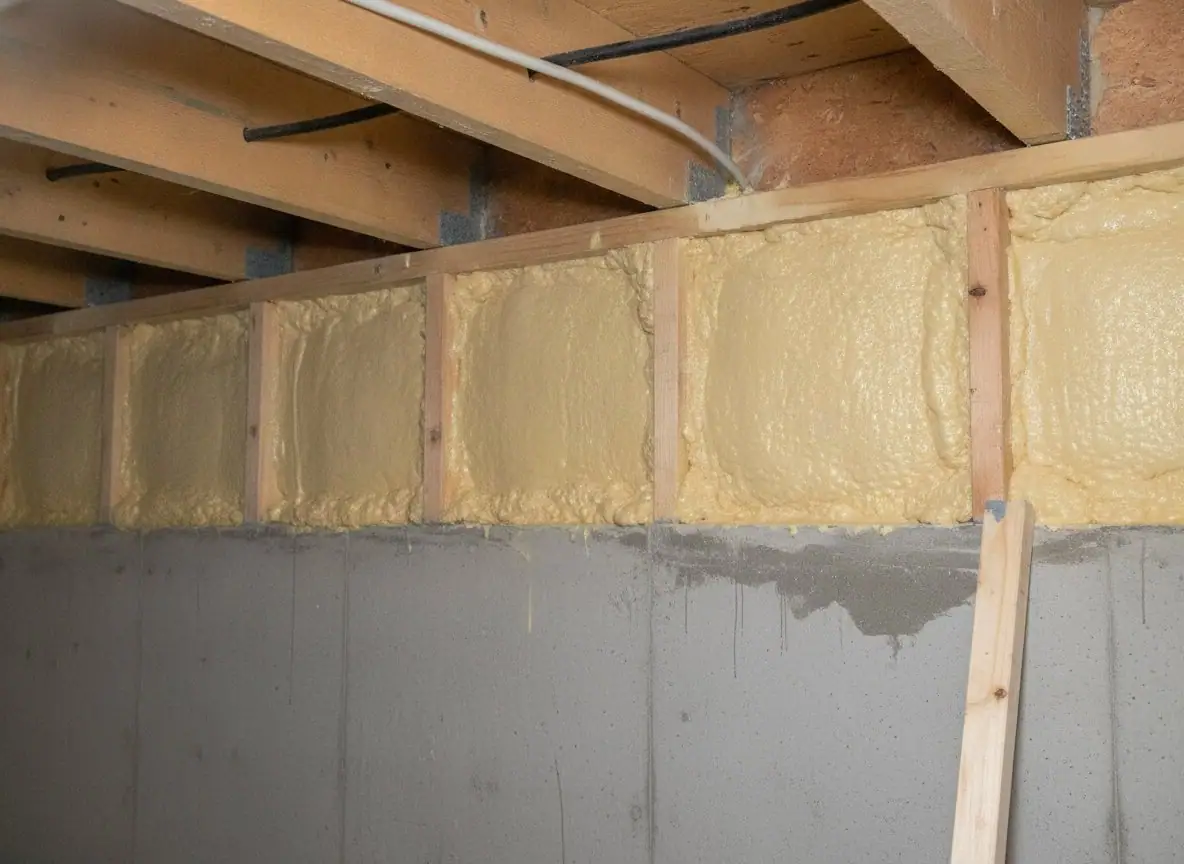
Closed-cell spray foam is our most popular basement wall solution in La Habra due to its dual function as both an insulator and a vapor barrier. With R-values of approximately R-6.5 per inch, a 2-inch application achieves R-13 — meeting California Title 24 Zone 8 minimums in a slim profile. Its rigid structure also adds minor structural support to older basement walls. Ideal for homes with active moisture concerns or clay soil conditions near the Puente Hills. Explore our spray foam insulation services
Learn moreRigid Foam Board Insulation
Extruded polystyrene (XPS) or polyisocyanurate rigid boards are an excellent choice for La Habra basements with relatively dry conditions and flat wall surfaces. Boards can be glued directly to concrete walls and covered with drywall. R-values range from R-10 to R-20 depending on thickness, and the material is highly resistant to moisture absorption.
Fiberglass Batt Insulation
Used primarily when a framed interior wall assembly is present, fiberglass batts fill the stud cavities between the frame and the foundation wall. In La Habra’s climate, this method must always be paired with a continuous vapor barrier to prevent moisture accumulation behind the insulation — a common failure mode in older local homes. View our full insulation installation options
Blown-In (Loose-Fill) Insulation
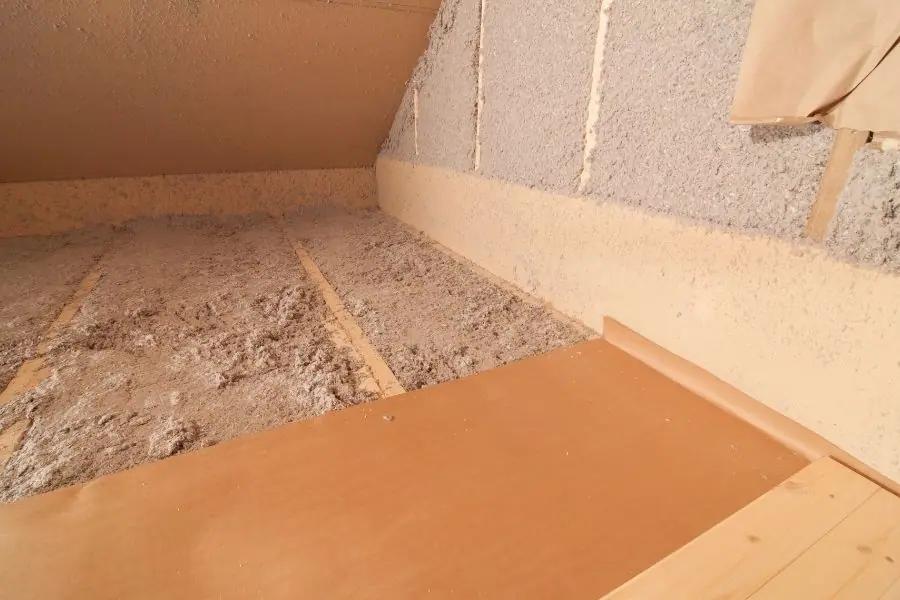
Cellulose or fiberglass blown-in insulation is particularly effective for irregularly shaped basement spaces, around pipe obstructions, and in basement ceiling applications above crawl spaces. Learn about blow-in insulation services
Rim Joist Spray Foam Sealing
Rim joist insulation and air sealing is performed as a standalone or add-on service for La Habra homes that have drafty first floors, particularly effective when combined with crawl space insulation for comprehensive below-grade thermal control.
Basement Insulation Cost in La Habra, CA
Understanding basement insulation costs helps La Habra homeowners budget accurately and evaluate proposals. Below are current market ranges specific to the La Habra and greater northern Orange County area.
Typical Price Ranges
- Closed-Cell Spray Foam (Basement Walls): $3.00–$5.50 per board foot, with a typical 1,000 sq ft basement wall project ranging from $3,000–$7,000
- Rigid Foam Board Installation: $1.50–$3.00 per square foot installed, totaling $1,500–$4,500 for an average La Habra basement
- Fiberglass Batt with Vapor Barrier: $1.00–$2.50 per square foot, or $1,000–$3,500 for most projects
- Rim Joist Spray Foam Sealing: $500–$1,500 depending on linear footage and access difficulty
- Insulation Removal (Prior to Replacement): $1.00–$2.00 per square foot, typically $800–$2,500 for basement spaces
Read moreShow less
Cost Factors Specific to La Habra
- Basement access and configuration: Hillside homes in La Habra Heights or along Hacienda Road often have daylight basements with irregular shapes that increase labor time
- Pre-existing moisture damage: Homes near the Puente Hills drainage zones may require moisture remediation before insulation, adding $500–$2,000 to project costs
- California Title 24 compliance requirements: Certain permit-required renovations trigger mandatory R-value minimums that may increase material specifications
- Material price variability: Spray foam material costs fluctuate with petrochemical markets; current Orange County pricing is approximately 8–12% higher than national averages
Contact us at (562) 526-0372 for a no-obligation, itemized estimate specific to your La Habra home’s basement dimensions and conditions.
La Habra Neighborhoods We Serve
Central La Habra (Whittier Boulevard Corridor)
Homes in this area were predominantly built between 1945 and 1965, featuring post-war ranch-style construction with partial or full basements. These properties are among the most likely to have original, degraded insulation and benefit greatly from insulation replacement services combined with modern moisture barriers.
Lambert Hills and North La Habra
This neighborhood features a mix of 1970s and 1980s tract homes built on graded hillside lots adjacent to the Puente Hills. The elevated topography creates enhanced Santa Ana wind exposure and expansive soil moisture cycling, making closed-cell spray foam the recommended basement insulation solution for maximum performance.
South La Habra (Harbor Boulevard Area)
South La Habra’s flatter terrain and older housing stock (primarily 1950s–1970s construction) mean many basements have never been properly insulated. This area sees the highest volume of our insulation removal and replacement projects, often paired with crawl space encapsulation for comprehensive moisture control.
Olinda Village
This historic neighborhood near La Habra Heights borders oil field land, with homes dating back to the early 1900s through 1950s. Unique soil conditions from historic petroleum extraction require specialized vapor barrier approaches during basement insulation installation.
Basement Insulation Maintenance Tips for La Habra Homeowners
- Inspect annually before rainy season (October): Walk your basement perimeter before La Habra’s November–March wet season to check for new moisture staining, efflorescence, or insulation gaps.
- Monitor humidity levels: Maintain basement relative humidity below 60% year-round using a hygrometer; La Habra summers can spike basement humidity rapidly during marine layer events.
- Clear exterior grading and gutters: Ensure downspouts discharge water at least 6 feet from the foundation — critical given La Habra’s clay soil drainage characteristics.
- Check rim joist seals after seismic events: Even minor earthquakes (M3.0+, common along the Whittier Fault zone) can open hairline gaps in foam seals; visually inspect after any felt tremor.
- Replace weatherstripping on basement doors and windows every 3–5 years to maintain the complete thermal envelope.
- Schedule professional inspection every 5–7 years to assess insulation R-value performance and check for pest intrusion, particularly termites active in La Habra’s warm-season months.
- Keep basement ventilation pathways clear to prevent moisture buildup during La Habra’s hot, dry Santa Ana wind periods when rapid temperature changes occur.
Why Choose Clean Zone Attic Insulation for Basement Insulation in La Habra
Clean Zone Attic Insulation is a locally trusted insulation contractor serving La Habra and the greater northern Orange County region. Our team has hands-on experience with the specific construction types, soil conditions, and climate challenges that La Habra homeowners face — from hillside homes in Lambert Hills to post-war ranch properties along the Whittier Boulevard corridor.
We offer a comprehensive range of insulation services under one roof, including attic insulation, spray foam insulation, crawl space encapsulation, and full insulation removal — meaning you never need to coordinate multiple contractors for a complete basement energy upgrade.
Our approach begins with thorough diagnostic assessment, not guesswork. We use thermal imaging technology and moisture metering to design insulation systems that genuinely solve your home’s specific problems. Every project is completed with attention to California Title 24 compliance, proper material disposal, and clean, professional workmanship.
Call (562) 526-0372 today to speak directly with a La Habra basement insulation specialist and schedule your free on-site assessment.
FAQ
Frequently Asked Questions About Basement Insulation in La Habra, CA
How much does basement insulation cost in La Habra, CA?
Costs vary depending on basement size, chosen insulation method, and pre-existing moisture conditions. In La Habra, most homeowners spend between $1,500 and $7,000 for a complete basement wall insulation project. Spray foam installations run higher ($3,000–$7,000) while rigid board or fiberglass projects typically range $1,500–$4,500. Contact us at (562) 526-0372 for an exact quote based on your home’s measurements.
How long does basement insulation installation take in La Habra?
Most residential basement insulation projects in La Habra are completed within 1–3 days. Day one covers assessment and any necessary removal, day two handles moisture prep and air sealing, and day three completes insulation installation and thermal verification. Larger or more complex hillside basement configurations may require an additional day.
Do La Habra homes really need basement insulation given the mild Southern California climate?
Yes. While La Habra’s winters are milder than northern states, the combination of expansive Puente Hills clay soils, seasonal moisture cycling, frequent Santa Ana wind events, and California’s Title 24 energy code requirements make basement insulation a sound investment for virtually all local homes — especially those built before 1990 with original or no insulation.
What R-value do I need for basement walls in La Habra?
La Habra falls within California Climate Zone 8. Current California Title 24 standards require a minimum of R-13 for below-grade basement walls in new construction and major renovations. Many energy professionals recommend targeting R-15 to R-19 for optimal performance given La Habra’s soil moisture and temperature swing conditions.
Should I insulate my basement walls or the basement ceiling?
This depends on whether you treat the basement as conditioned (heated/cooled) or unconditioned space. For conditioned basements, insulating the walls is preferred and more effective. For unconditioned basements, insulating the basement ceiling (the floor above) is more efficient. Our La Habra technicians will recommend the right approach during your free on-site assessment.
Is basement insulation in La Habra affected by the Whittier Fault?
The Whittier Fault runs approximately 3–5 miles northeast of central La Habra, and minor seismic activity is ongoing in the region. We account for this by recommending flexible closed-cell spray foam for rim joist sealing rather than rigid materials alone, and by advising periodic post-earthquake inspections to check foam seal integrity.
Can basement insulation help with mold problems in my La Habra home?
Proper basement insulation — especially when paired with vapor barriers and air sealing — significantly reduces the moisture accumulation that causes mold growth. However, active mold must be professionally remediated before new insulation is installed. Our team can identify mold during the assessment phase and recommend appropriate next steps before any insulation work begins.
Do you serve areas near La Habra for basement insulation?
Yes. In addition to La Habra, Clean Zone Attic Insulation serves Brea, Fullerton, Placentia, Yorba Linda, Buena Park, La Habra Heights, La Mirada, Whittier, Norwalk, West Covina, Hacienda Heights, Rowland Heights, Anaheim, Cerritos, Downey, La Puente, Santa Fe Springs, and Garden Grove. Call (562) 526-0372 to confirm service availability at your address.
Get Your Free Basement Insulation Estimate in La Habra Today
Don’t let an uninsulated or under-insulated basement cost you comfort, drive up utility bills, or risk moisture damage to your La Habra home. Clean Zone Attic Insulation is ready to help with a free, no-obligation on-site assessment tailored to your home’s specific needs.
Whether you’re dealing with cold floors above an uninsulated basement, moisture concerns tied to La Habra’s Puente Hills clay soils, or simply want to bring your home up to California Title 24 standards, our experienced team has the expertise and the right insulation solutions to get the job done properly.
Call us now at (562) 526-0372 or reach out online to schedule your appointment. We serve La Habra and all surrounding communities throughout northern Orange County and southeastern Los Angeles County.
Get in touch
Find insulation help near you
Request a free estimate online or give us a call — our team will follow up quickly.
- Call us(562) 526-0372
- Visit731 N Beach Blvd, La Habra, CA 90631
- HoursMon-Sun 07:00-19:00